RBCs count

There are two methods for counting RBCs; 1) Automated method through the electronic blood cells counter. 2) Manual method using the hemocytometer. Electronic counter is more accurate than the hemocytometer method. The electronic counter is expensive, needs periodical maintenance. Maintenance of blood counter is very important; failure to do that will result in misleading results. … Read more
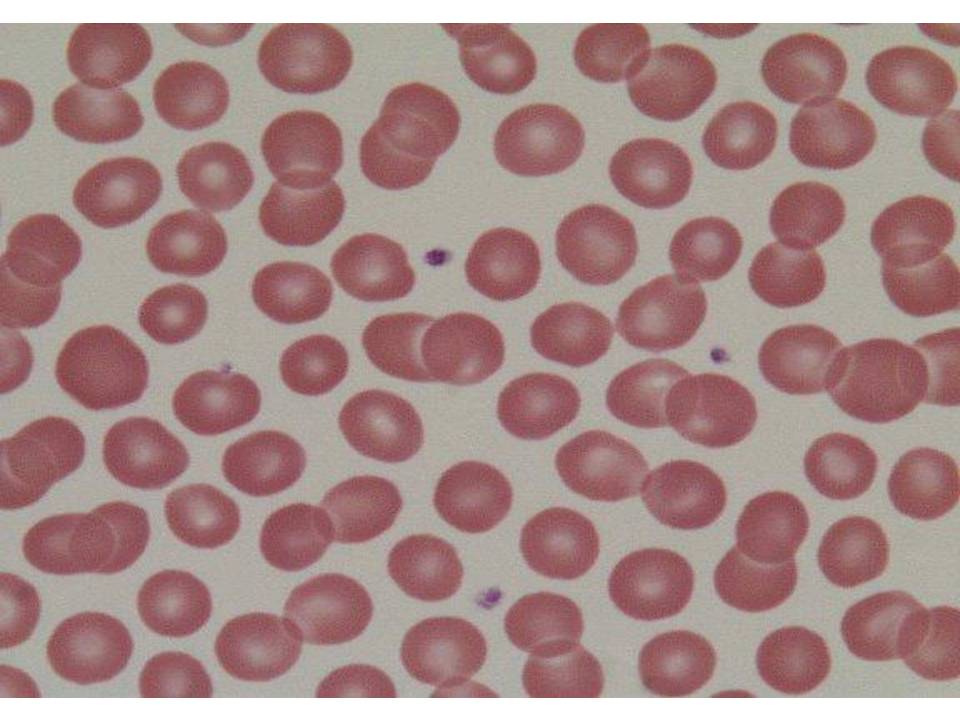
The significance of blood film examination

1. Identification of different animal species. 2. Morphological examination of the erythrocytes and leucocytes. 3. Carrying out DLC. 4. Diagnosis of some types of leukaemia. 5. Diagnosis of blood parasites infections either intercellular or intracellular. 6. Diagnosis of bacterial diseases, during bacteraemia. 7. Prognosis of disease through estimating the count of band cells or hypersegmented … Read more

Polycythemia

Prof. Mahmoud Rushdi (Assiut University-Egypt) Definition Polycythemia is the increase of RBCs count above the normal upper limit specific for each animal species. There are two types of polycythemia, which are relative and absolute polycythemia. Relative polycythemia is defined as the relative increase of RBCs count due to loss of fluids from the body. The … Read more

Mean Corpuscular Values

Three values are calculated mathematically and used mainly to measure the average size of the RBC, average hemoglobin weight and percent of hemoglobin per individual erythrocyte. The mean corpuscular values are: – Mean corpuscular volume (MCV), MCV is obtained by dividing the value of packed cells volume (PCV) on the RBCs count, and then multiply … Read more

White blood cells (WBCs) count

White blood cells (WBCs) count There are six types of white blood cells circulates in the blood circulation, which are Neutrophils, lymphocytes, eosinophils, basophils, monocytes and band cells. White blood cells count is an integral part of complete blood count (CBC), and include two main components: 1- White blood cells count. 2- Differential leucocytes count. … Read more

Anticoagulants

Anticoagulants are chemical substances that can prevent blood coagulation. they are considered as chemical preservative for whole blood sample, as it preserve the blood in a state similar to that find inside the body. There are different types of anticoagulants, as Ethylene Diamine Tetraacetic Acid (EDTA), Heparin, Sodium citrate, Potassium and ammonium oxalate mixture and … Read more

Basics of hematological analysis (Complete blood count)

Prof. Mahmoud Rushdi (Assiut University-Egypt) Hematological analysis is concerned with the analysis of the cellular component of blood including tests that used for evaluation of erythrocytes, leucocytes and platelets. Blood sample for complete blood count (CBC) must be collected on EDTA as anticoagulant. Evaluation of the erythrocytes picture involve measuring red blood cells (RBCs) count, … Read more