Components of blood

Blood is composed of two parts: fluid part and cellular part. The fluid part is called the plasma, in which the cells, nutrients and blood gases circulate. The cellular part composed of red blood cells (RBCs), white blood cells (WBCs) or leucocytes and platelets. The fluid part (plasma) The plasma constitute about 55-65% from the … Read more
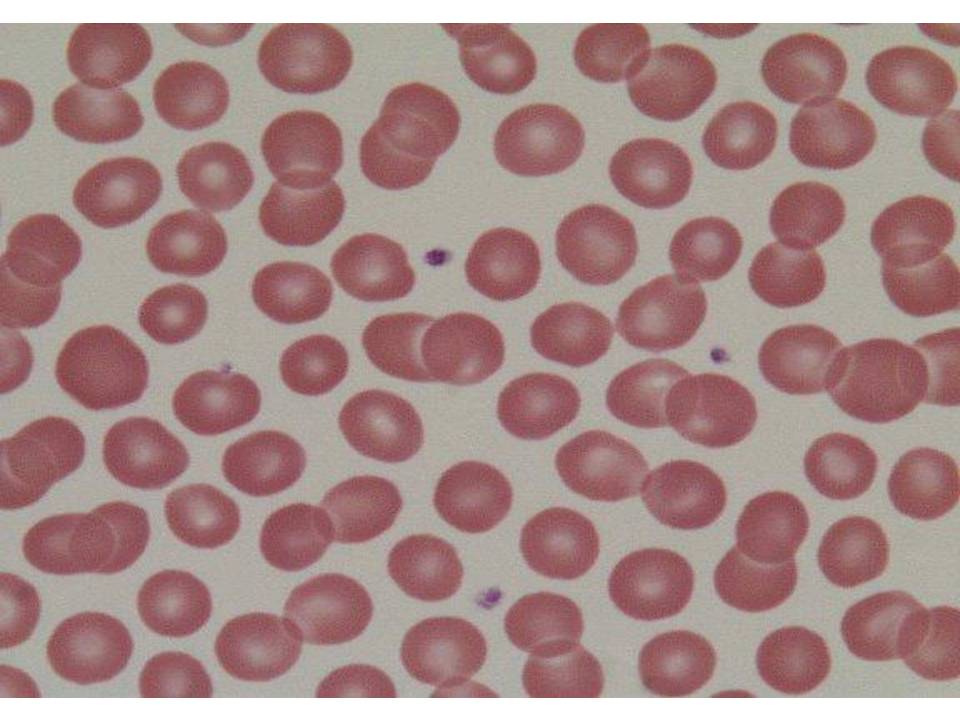
Morphological examination of erythrocytes

All parameters of the erythrocyte picture can be determined using a blood cell counter, except assessing the morphological appearance of the RBCs, which must be evaluated using blood smear. This means, that both electronic blood cell count and blood smear are required to perform the erythrocyte picture. Morphological examination of erythrocytes is carried out by … Read more

Packed Cell Volume (PCV)

DefinitionPacked cells volume (PCV) or Hematocrit, is defined as the percent of blood occupied by RBCs, or simply you can define PCV as the percent of RBCS in whole blood. To measure PCV, the RBCS must be packed together in one layer, which can be achieved by centrifugation of whole blood sample. it is essential … Read more

Physiological Factors affecting the RBCs count

The circulating red blood cells (RBCs) are produced by the bone marrow, stored in the spleen and circulate in the blood vessels. Life span of the erythrocytes The lifespan of the erythrocytes in human is varied from 90-120 days,. However, in animals the lifespan varies according to the animal species (in cattle 150 days, in … Read more